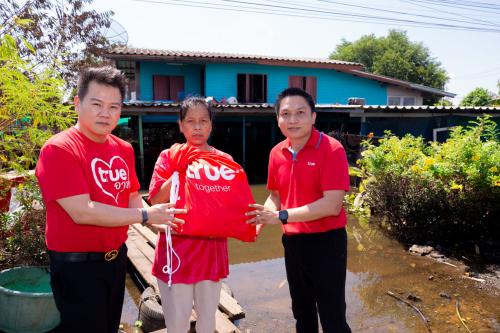
ทรู คอร์ปอเรชั่น ยกระดับโครงข่ายเชิงรุกรับมือมรสุม-ฝนหนัก-น้ำท่วม ใช้ AI คาดการณ์พื้นที่เสี่ยงสถานีฐานทั่วประเทศ
- วางมาตรการป้องกัน ติดตั้ง Flooding Sensor-ระบบไฟสำรอง-เตรียมรถ COW
- ทีมวิศวกรพร้อมดูแลการสื่อสารต่อเนื่อง 24 ชม. ทุกสภาวะฉุกเฉิน
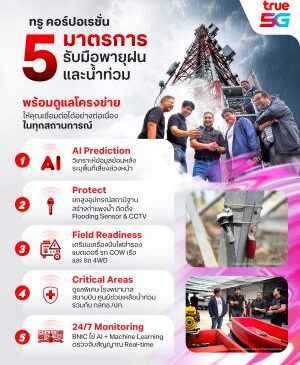
ทรู คอร์ปอเรชั่น ยกระดับความพร้อมโครงข่ายสื่อสารทั่วประเทศ รับมือสถานการณ์พายุฝนตกหนักและความเสี่ยงอุทกภัย ด้วยแนวทางบริหารเครือข่ายเชิงคาดการณ์และป้องกันล่วงหน้า (Predictive and Preventive Network Resilience) นำ AI วิเคราะห์ข้อมูลน้ำท่วมย้อนหลัง สภาพอากาศ ระดับน้ำ และข้อมูลโครงข่าย เพื่อประเมินพื้นที่และสถานีฐานที่มีความเสี่ยงล่วงหน้า พร้อมสำรวจสถานีฐานในพื้นที่เสี่ยงทั่วประเทศ และติดตั้งเซนเซอร์ตรวจวัดระดับน้ำ (Flooding Sensor) เพิ่มเติมในจุดเฝ้าระวัง เพื่อให้ทีมวิศวกรสามารถเตรียมมาตรการป้องกัน กำลังคน และแก้ไขสถานการณ์ได้อย่างรวดเร็ว ควบคู่กับการเตรียมโครงสร้างพื้นฐาน รถโมบายล์สถานีฐานเคลื่อนที่เร็ว (Cell-On-Wheel: COW) สถานีฐานชั่วคราว ระบบไฟฟ้าสำรอง อุปกรณ์ภาคสนาม และแผนเข้าถึงพื้นที่ฉุกเฉิน เพื่อรักษาความต่อเนื่องของบริการสื่อสารให้ประชาชน หน่วยงานภาครัฐ และภาคธุรกิจในทุกภูมิภาค
การเตรียมพร้อมของทรูดังกล่าวสอดรับกับสถานการณ์ฝนในปัจจุบัน โดยล่าสุดกรมอุตุนิยมวิทยาออกประกาศเตือน ณ วันที่ 1 กันยายน 2569 เรื่องฝนตกหนักถึงหนักมากบริเวณประเทศไทย เนื่องจากร่องมรสุมพาดผ่านภาคเหนือและภาคตะวันออกเฉียงเหนือตอนบน เชื่อมโยงพายุโซนร้อน “โซเดล” บริเวณทะเลจีนใต้ตอนบน ประกอบกับมรสุมตะวันตกเฉียงใต้กำลังค่อนข้างแรงพัดปกคลุมอันดามัน ไทย และอ่าวไทย ส่งผลให้ประเทศไทยมีฝนเพิ่มขึ้น และมีฝนตกหนักถึงหนักมากบางแห่ง โดยเฉพาะด้านตะวันตกของภาคเหนือและภาคกลาง ภาคตะวันออกเฉียงเหนือตอนบนและด้านตะวันออก และภาคตะวันออก ซึ่งอาจทำให้เกิดน้ำท่วมฉับพลันและน้ำป่าไหลหลาก
ผู้บริหารด้านเครือข่ายและทีมวิศวกรทรู ลงพื้นที่เสี่ยงทั่วประเทศตรวจสอบความพร้อมเชิงรุกอย่างต่อเนื่อง ล่าสุดได้ตรวจเยี่ยมสถานีฐานในเส้นทาง สิงห์บุรี-ชัยนาท-พระนครศรีอยุธยา ครอบคลุมคลังอะไหล่ สถานีฐาน และจุดเฝ้าระวังริมแม่น้ำเจ้าพระยา เพื่อทดสอบความพร้อมทั้งด้านโครงข่าย ระบบไฟสำรอง อุปกรณ์ต่างๆ และแผนปฏิบัติการภาคสนามต่อเนื่องจากการเตรียมความพร้อมในพื้นที่ภาคเหนือ และตะวันออกเฉียงเหนือก่อนหน้านี้
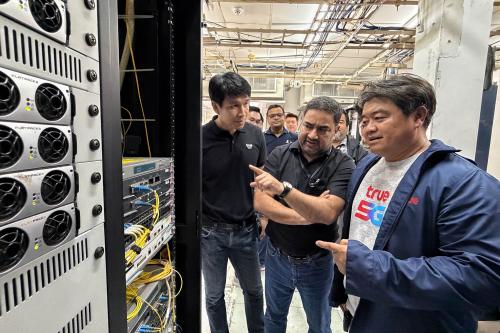
นายคูรัม อัชฟาค หัวหน้าคณะผู้บริหารด้านเครือข่าย บริษัท ทรู คอร์ปอเรชั่น จำกัด (มหาชน) กล่าวว่า “หัวใจของ Network Resilience ไม่ใช่การรอให้เกิดเหตุแล้วจึงเข้าแก้ไข แต่คือการใช้ข้อมูลและเทคโนโลยีช่วยให้เรามองเห็นความเสี่ยงล่วงหน้า โดยเรานำบทเรียนจากพื้นที่ที่น้ำท่วมในช่วง 5 ปีที่ผ่านมา นำมาวิเคราะห์ร่วมกับข้อมูลสภาพอากาศ ระดับน้ำ และสถานีฐานในพื้นที่เสี่ยง เพื่อประเมินสถานการณ์ และจัดสรรกำลังคนและอุปกรณ์ไว้ล่วงหน้า เป้าหมายคือการลดผลกระทบต่อการสื่อสารของประชาชนให้ได้มากที่สุดเมื่อเกิดสถานการณ์ฉุกเฉิน”
ทรูได้ประเมินสถานีฐานในพื้นที่เสี่ยงทั่วประเทศ ทั้งพื้นที่ที่เคยถูกน้ำท่วม จุดที่อยู่ในพื้นที่ต่ำ หรือพื้นที่ที่มีโอกาสได้รับผลกระทบ พร้อมกำหนดมาตรการตามระดับความเสี่ยง เช่น ย้ายและติดตั้งอุปกรณ์ให้อยู่สูงจากพื้นประมาณ 2–3 เมตร หรือสูงกว่าระดับน้ำที่คาดการณ์ สร้างฐานยกระดับและกำแพงป้องกันน้ำ รวมถึงติดตั้ง CCTV และเซนเซอร์ตรวจจับระดับน้ำ (Flooding Sensor) ในจุดเฝ้าระวัง เพื่อให้ทีมสามารถติดตามสถานการณ์ได้อย่างต่อเนื่อง
ขณะเดียวกันได้นำ AI และการวิเคราะห์เชิงคาดการณ์ (Predictive Analytics) มาใช้เพื่อจำลองผลกระทบต่อโครงข่ายล่วงหน้า เช่น หากพื้นที่หนึ่งมีแนวโน้มไฟฟ้าดับต่อเนื่อง 3 ชั่วโมง ระบบสามารถประเมินได้ว่าสถานีฐานจุดไหนจะเริ่มได้รับผลกระทบเมื่อใด ความครอบคลุมของสัญญาณและขีดความสามารถในการรองรับการใช้งานจะเปลี่ยนแปลงอย่างไร รวมถึงกำหนดลำดับความสำคัญในการส่งทีมงานและอุปกรณ์เข้าเสริมในแต่ละจุด เพื่อลดผลกระทบต่อการใช้งานของลูกค้าให้ได้มากที่สุด
ด้านความพร้อมภาคสนาม ทรูได้เตรียมเครื่องกำเนิดไฟฟ้า เชื้อเพลิง แบตเตอรี่ ระบบไฟฟ้าสำรองสำหรับสถานีฐาน และอุปกรณ์โครงข่ายสำรอง พร้อมเตรียมรถ COW รวมถึงเตรียมเรือท้องแบนและรถขับเคลื่อนสี่ล้อ เพื่อให้ทีมวิศวกรสามารถเข้าถึงพื้นที่และเสริมสัญญาณได้อย่างรวดเร็ว โดยเฉพาะสถานีฐานสำคัญ (Critical Cell Sites) ที่รองรับโรงพยาบาล สนามบิน ศูนย์บัญชาการ ศูนย์ช่วยเหลือประชาชน และโครงสร้างพื้นฐานสำคัญ ซึ่งมีการประสานงานล่วงหน้ากับสำนักงาน กสทช. กรมป้องกันและบรรเทาสาธารณภัย (ปภ.) และหน่วยงานที่เกี่ยวข้อง
นอกจากนี้ ทีมวิศวกรและเจ้าหน้าที่ประจำศูนย์ปฏิบัติการเครือข่ายอัจฉริยะ หรือ Business Network Intelligence Center (BNIC) ใช้ AI วิเคราะห์และเชื่อมโยงข้อมูลจากทุกสถานีฐานเป็นศูนย์กลางปฏิบัติงานตลอด 24 ชั่วโมง เมื่อพบสัญญาณผิดปกติหรือความเสี่ยงตามที่ระบบคาดการณ์ไว้ ศูนย์ BNIC จะประสานทีมภาคสนามให้เข้าดำเนินการได้ทันที ช่วยลดระยะเวลาตั้งแต่ตรวจพบปัญหาจนถึงการแก้ไขหน้างานให้สั้นที่สุด
นายธงชัย ขวัญพุฒ หัวหน้าฝ่ายพัฒนาโครงข่ายและการปฏิบัติงานภาคสนาม บริษัท ทรู คอร์ปอเรชั่น จำกัด (มหาชน) กล่าวถึงการเตรียมความพร้อมในเชิงปฏิบัติการว่า “ในสถานการณ์ภัยพิบัติ การสื่อสารเป็นโครงสร้างพื้นฐานสำคัญ เราจึงนำบทเรียนจากสถานการณ์อุทกภัยรุนแรงในหลายพื้นที่ทั่วประเทศที่ผ่านมารวมถึงเชียงราย หาดใหญ่ และล่าสุดที่น่าน มายกระดับแผนป้องกันและเตรียมความพร้อมล่วงหน้าในพื้นที่เสี่ยง พร้อมนำ AI และข้อมูลแบบเรียลไทม์มาใช้ในการคาดการณ์ ควบคู่กับการเตรียมโครงข่าย ทีมวิศวกร ระบบไฟฟ้าสำรอง และอุปกรณ์ในทุกภูมิภาค เพื่อรักษาความต่อเนื่องของบริการสื่อสารให้ได้มากที่สุดในทุกสถานการณ์”
ทั้งนี้ เมื่อเกิดภัยพิบัติรูปแบบการใช้งานเครือข่ายอาจเปลี่ยนแปลงอย่างรวดเร็ว โดยเฉพาะในพื้นที่อพยพ ศูนย์พักพิง โรงพยาบาล และศูนย์ช่วยเหลือประชาชน ทรูจึงติดตามทั้งสถานะของโครงข่ายและปริมาณการใช้งานในแต่ละพื้นที่ เพื่อเสริมขีดความสามารถของเครือข่ายหรือจัดส่งสถานีฐานเคลื่อนที่ไปยังจุดที่มีความต้องการเพิ่มขึ้น ช่วยรองรับการติดต่อสื่อสารและการประสานความช่วยเหลือในสถานการณ์ฉุกเฉิน
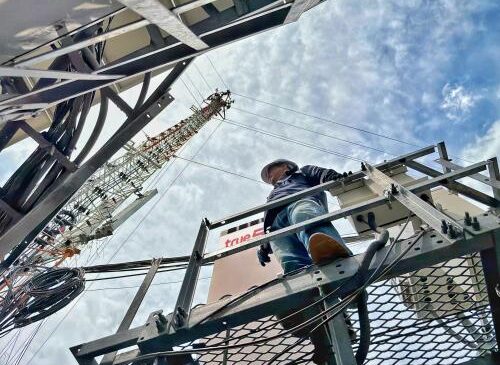
True Corporation Strengthens Network Resilience Against Heavy Rain and Flooding, Using AI to Predict At-Risk Base Stations Nationwide
- Deploys Flooding Sensors, backup power and Cell-on-Wheels (COW)
- Engineering teams on 24/7 standby to maintain communication continuity
True Corporation is strengthening nationwide communication network readiness to cope with heavy rainfall and flood risks through a Predictive and Preventive Network Resilience approach. The company is using AI to analyze historical flood data, weather conditions, water levels, and network data to assess at-risk areas and base stations in advance. Base stations in at-risk areas nationwide have been assessed, with additional Flooding Sensors being installed at monitoring points, enabling engineering teams to prepare preventive measures, manpower, and rapid response plans. These efforts are supported by the readiness of Cell-on-Wheels (COW), temporary base stations, backup power systems, field equipment, engineering teams, and emergency access plans to maintain communication continuity for the public, government agencies, and businesses across all regions.
True’s preparedness measures come as Thailand faces the current heavy rainfall situation. The Thai Meteorological Department issued a warning on September 1, 2026, of heavy to very heavy rain across Thailand due to a monsoon trough extending across the North and upper Northeast and connecting with Tropical Storm “Saudel” over the upper South China Sea. This is compounded by a rather strong southwest monsoon prevailing over the Andaman Sea, Thailand, and the Gulf of Thailand, resulting in increased rainfall and isolated heavy to very heavy rain, particularly in the western parts of the North and Central regions, the upper and eastern parts of the Northeast, and the East. These conditions may lead to flash floods and forest runoff.
True Corporation’s network executives and engineering teams have continued proactive field inspections to assess readiness in high-risk areas nationwide. Most recently, teams inspected base stations along the Sing Buri–Chai Nat–Phra Nakhon Si Ayutthaya route, covering spare-parts warehouses, base stations, and monitoring points along the Chao Phraya River. The inspections tested network readiness, backup power systems, equipment, and field operation plans, following earlier preparedness efforts in northern and northeastern Thailand.
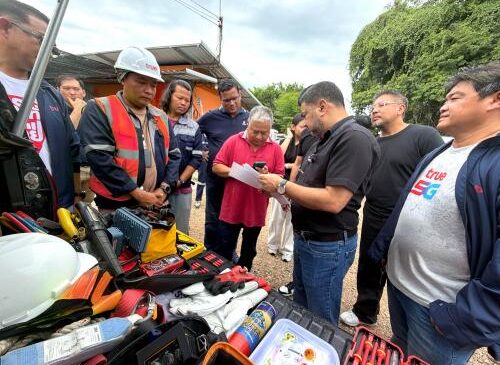
Mr. Khurrum Ashfaque, Chief Network Officer of True Corporation Public Company Limited, said, “Network resilience starts with anticipating risks before they become disruptions. We use data and technology to identify potential risks before they impact our network. By combining lessons learned from flood-affected areas over the past five years with weather data, water levels, and insights from base stations in at-risk areas, we can assess potential impacts and pre-position our teams and equipment where they are needed most. Our goal is clear: to minimize disruption and keep people connected when emergencies occur.”
True Corporation has assessed all base station sites in at-risk areas nationwide, including locations previously affected by flooding, sites in low-lying areas, and areas potentially at risk of flooding. Preventive measures are determined based on risk levels, including relocating and installing equipment approximately two to three meters above ground or above predicted flood levels, constructing elevated platforms and flood barriers, and installing CCTV cameras and Flooding Sensors at monitoring points to enable continuous monitoring.
At the same time, True Corporation is using AI and Predictive Analytics to simulate potential network impacts in advance. For example, if an area is expected to experience a continuous three-hour power outage, the system can assess which base stations could be affected and when, how signal coverage and network capacity may change, and how field teams and equipment should be prioritized and deployed to each location. This enables the company to minimize potential impacts on customers’ connectivity.
For field readiness, True Corporation has prepared generators, fuel, batteries, backup power systems for base stations, and spare network equipment, along with Cell-on-Wheels (COW). Flat-bottom boats and four-wheel-drive vehicles are also on standby to enable engineering teams to reach affected areas and reinforce network coverage rapidly. Particular priority is given to Critical Cell Sites serving hospitals, airports, command centers, public relief centers, and other critical infrastructure. Preparations are coordinated in advance with the National Broadcasting and Telecommunications Commission (NBTC), the Department of Disaster Prevention and Mitigation (DDPM), and other relevant agencies.
In addition, engineers and staff at the Business Network Intelligence Center (BNIC) use AI to analyze and integrate data from base stations nationwide through a centralized system operating 24 hours a day. When the system detects anomalies or predicted risks, BNIC can immediately coordinate with field teams to take action, helping minimize the time from issue detection to on-site resolution.
Mr. Thongchai Kwanphut, Head of Network Rollout and Field Operation of True Corporation Public Company Limited, said, “During disasters, communications are critical infrastructure. We have therefore applied lessons learned from severe flooding in many areas across Thailand, including Chiang Rai, Hat Yai, and most recently Nan, to strengthen our preventive measures and advance preparations in at-risk areas. At the same time, we are using AI and real-time data for prediction, while preparing our network, engineering teams, backup power systems, and equipment across all regions to maintain communication service continuity as much as possible under all circumstances.”
In emergency situations, network usage patterns can change rapidly, particularly in evacuation areas, shelters, hospitals, and public assistance centers. True therefore monitors both network performance and traffic levels in each area, enabling the company to increase network capacity or dispatch mobile base stations to locations where demand rises, supporting communications and the coordination of emergency assistance.